

Book online for exams, cleanings & Invisalign consultations.
For all other appointments,
New patients: (770) 202-9668Existing patients: (770) 664-1244
When a tooth has been weakened by decay or a small fracture, a filling restores its shape and function while protecting it from further damage. Modern tooth-colored fillings are made from composite resin — a versatile material that can be sculpted to match your tooth’s natural contours and shade. For many patients, this means a restoration that is both durable and discreet, blending into the smile rather than standing out.
Composite fillings can be used in both front and back teeth, and they are especially useful when the goal is to maintain a natural appearance. Because the material bonds to the tooth, it helps rebuild lost structure without relying on metal. That conservative repair philosophy supports long-term oral health by preserving as much of the healthy tooth as possible.
Deciding whether a composite filling is the right choice depends on the size and location of the defect, your bite, and your overall oral health. During your examination we evaluate the tooth, discuss alternatives when appropriate, and recommend the option that best balances strength, aesthetics, and longevity.
Contemporary composite resins are engineered to mimic the properties of natural enamel and dentin. They come in multiple shades and translucencies, allowing the dentist to layer and polish the material so it reflects light in a similar way to surrounding teeth. These advances make it possible to achieve restorations that look seamless and avoid the metallic appearance associated with older materials.
Because composite bonds directly to the tooth surface, less healthy structure may need to be removed during preparation. This conservative approach preserves more of your natural tooth, which is important for its long-term strength and resilience. A sound bond also helps seal the margin where the filling meets the tooth, reducing the risk of future decay around the restoration.
Composites are also metal-free and mercury-free, which is an important consideration for patients seeking biocompatible options. With proper technique and finishing, these restorations can deliver both functional durability and the cosmetic outcomes many patients prefer.

At the office of North Atlanta Aesthetic Dentistry, we focus on clear communication and gentle, precise care. The appointment typically begins with an assessment and X-rays if needed to determine the extent of decay. Local anesthesia is used as necessary so you remain comfortable while the decayed tissue is removed and the tooth is prepared.
Composite resin is placed in small layers, each of which is shaped and cured with a special light. This layered technique helps ensure a strong bond and allows the dentist to replicate the subtle anatomy of your tooth for proper function and a natural appearance. Once the material is set, the restoration is trimmed and polished so your bite feels comfortable and the surface is smooth.
We understand that some people prefer extra support with relaxation during dental procedures. If you think that may help, ask us about sedation dentistry options — we’ll explain the choices and help you decide what’s appropriate for your comfort and safety.
It’s normal to experience temporary numbness after anesthesia and some sensitivity to temperature or chewing for a few days while the tooth settles. These sensations usually subside on their own; if sensitivity persists or if you notice pain when biting, reach out so we can assess the restoration and make any necessary adjustments.
Good oral hygiene is essential to prolong the life of a filling. Regular brushing, daily flossing, and routine dental checkups help prevent recurrent decay at the margins of restorations. If you grind your teeth, ask about protective options such as a nightguard — ongoing clenching and grinding can accelerate wear and may shorten the life of even well-made fillings.
With consistent home care and periodic professional evaluations, composite fillings can serve reliably for many years. During your recall visits we monitor restorations for signs of wear, marginal breakdown, or new decay so problems can be addressed early, often avoiding more extensive treatment later.

Not every damaged tooth is best treated with a simple filling. Large areas of decay, extensive fractures, or teeth with a history of repeated restorations may be better served by an inlay, onlay, or full-coverage crown. These options restore strength and function when a standard filling would not provide sufficient support.
If decay reaches the tooth’s pulp or there are signs of infection, a root canal may be necessary before the tooth is rebuilt. In other cases, a filling may be an interim solution while planning a more protective restoration. Your dentist will explain why a particular option is recommended, what to expect from the procedure, and how it fits into long-term care for your smile.
Early detection is key: repairing a small cavity is less invasive and more predictable than addressing advanced decay. Regular dental exams and timely treatment reduce the chance that a simple filling will eventually require replacement with a larger restoration.
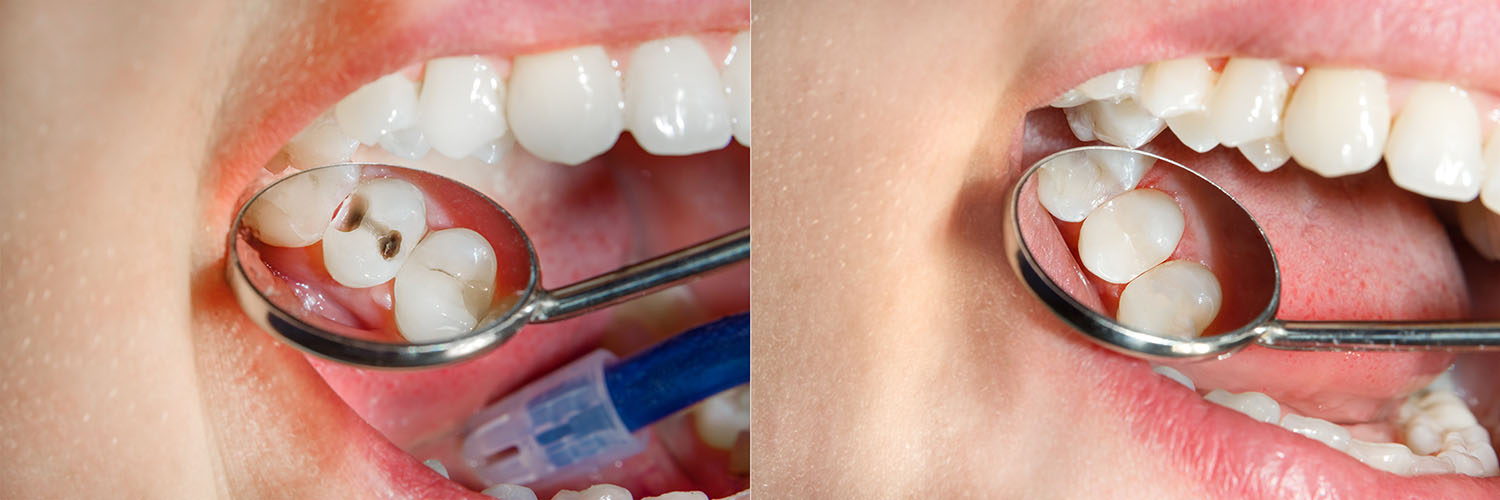
Our goal is to restore teeth in a way that looks natural, functions comfortably, and supports long-term oral health. If you have questions about composite fillings, treatment sequencing, or how we tailor restorations to meet both functional and cosmetic goals, we’re here to help.
Whether you need a discreet tooth-colored filling or are exploring stronger restorative options, a thoughtful plan tailored to your needs makes all the difference. Contact us to learn more about how we evaluate, restore, and protect teeth so you can enjoy a healthy, confident smile.

Composite fillings are restorations made from a resin material that can be shaded and shaped to match the surrounding tooth. The material is placed in layers and cured with a light to create a durable bond with the tooth surface. This approach allows the dentist to rebuild form and function while preserving as much healthy tooth structure as possible.
Because composites adhere directly to enamel and dentin, less of the natural tooth often needs to be removed during preparation compared with some older techniques. The layered placement also lets the clinician recreate the tooth's anatomy so the restoration works well with your bite. At the office of North Atlanta Aesthetic Dentistry in Alpharetta, clinicians select materials and techniques that balance strength and appearance for each case.
Composite fillings are often chosen when aesthetics are important, such as on front teeth or visible areas of the smile, because they blend with the natural tooth color. They are also useful when a conservative repair is preferred, since the material bonds to tooth structure and can help reinforce the remaining tooth. For smaller to moderate cavities and certain types of fractures, composites provide a durable and natural-looking solution.
There are situations where metal restorations may still be considered for very large back teeth or when long-term strength under heavy chewing forces is the primary concern, and your dentist will evaluate those factors during an examination. Patient-specific considerations such as bite patterns, existing restorations, and overall oral health guide the recommendation. Your dentist will explain why one material is preferred for your tooth so you understand the clinical reasoning behind the choice.
A filling visit begins with an assessment of the tooth and may include X-rays to determine the extent of decay or damage. Local anesthesia is used as needed to keep you comfortable while the decayed tissue is removed and the tooth is prepared for restoration. The composite resin is then placed in small increments, shaped to restore the tooth's contours, and cured with a specialized light.
After the material is set, the dentist checks and adjusts your bite to ensure comfortable function and then polishes the surface for a smooth finish. The entire process is focused on precision and conservation of healthy tooth structure. If additional support is needed, the clinician will discuss alternatives such as inlays, onlays, or crowns at the same appointment or during a follow-up visit.
Most patients experience minimal discomfort during a filling because local anesthesia is used to numb the area before any drilling or preparation. You may feel pressure or vibration during the procedure, but sharp pain is uncommon while the anesthesia is active. After the appointment the numbness fades and any mild soreness or sensitivity is typically manageable with over-the-counter pain relief and home care instructions.
For patients who feel anxious or need extra support, sedation dentistry options are available and can be discussed prior to treatment so you know what to expect. The practice reviews medical history and any medication use to determine which approach is appropriate and safe. If you think sedation would help, mention it when you schedule or during your exam so the team can plan accordingly.
It is common to experience temporary sensitivity after a filling as the tooth adjusts to the restoration, the effects of local anesthesia wear off, and the surrounding tissues recover. Sensitivity to hot, cold, or chewing pressure usually decreases over a few days to a few weeks as inflammation subsides and the bite is fine-tuned. Mild sensitivity can often be managed with gentle brushing, a desensitizing toothpaste, and avoiding very hard or sticky foods for a short time.
If sensitivity persists, worsens, or is accompanied by sharp pain when biting, contact your dentist so the restoration and bite can be evaluated and adjusted if necessary. In some cases, further treatment such as a deeper restoration or additional care may be needed if the underlying tooth structure or pulp is affected. Prompt evaluation helps prevent minor issues from becoming more extensive procedures later on.
Maintain good oral hygiene by brushing twice daily with a fluoride toothpaste and flossing daily to reduce the risk of recurrent decay at the margins of restorations. Regular dental checkups and professional cleanings allow your dentist to monitor fillings for wear, marginal breakdown, or secondary decay and address issues early. Avoid using teeth to open packages or chew very hard objects, as these habits can chip or fracture restorations.
If you grind or clench your teeth, discuss a protective nightguard with your dentist because excessive forces accelerate wear on both teeth and fillings. A balanced diet that limits frequent sugary or acidic exposures also supports longer restoration life. Consistent home care combined with routine professional care gives composite fillings the best chance for lasting performance.
The lifespan of a composite filling varies depending on factors such as the size and location of the restoration, biting forces, oral hygiene, and the material and technique used. Smaller restorations in low-stress areas generally last longer, while large fillings on chewing surfaces or in patients who grind their teeth may wear faster. Proper bonding technique and careful finishing by the dentist also contribute to how well the restoration resists staining, chipping, and marginal breakdown.
Regular dental examinations are important because they let your dentist detect and repair minor problems before they require replacement or more extensive treatment. When a filling shows signs of recurrent decay, significant wear, or leakage at the margins, the clinician may recommend repair or replacement with a larger restoration. Monitoring and timely intervention help preserve tooth structure and prevent more invasive procedures.
A filling may be inadequate when decay is extensive, a tooth has a large fracture, or repeated restorations have weakened the remaining structure. In these situations, alternatives such as an inlay, onlay, or full-coverage crown provide additional support and protection by covering more of the tooth surface. If decay reaches the pulp or there are signs of infection, root canal therapy may be necessary before the tooth is rebuilt.
Your dentist will explain the clinical reasons for recommending a particular restoration and how each option balances strength, longevity, and conservation of tooth tissue. Early detection often allows for simpler, more conservative treatment, so regular exams and timely care reduce the chance that a small filling will eventually need replacement with a larger restoration. Treatment decisions are individualized based on tooth condition and long-term goals for oral health.
In many cases a composite filling with a small chip or minor wear can be repaired rather than fully replaced, because the resin can often be bonded to the existing restoration. Repair can be a conservative option that preserves tooth structure and reduces the extent of treatment required. The dentist evaluates the integrity of the existing bond, the condition of the margins, and the overall tooth to determine whether repair is appropriate.
If the filling has extensive breakdown, recurrent decay, or poor margins, replacement may be recommended to ensure a long-term seal and function. The decision to repair or replace is based on a thorough clinical assessment and X-rays when indicated. Your dentist will review the pros and cons of each approach and recommend the option that best protects the tooth.
If a filling dislodges or you have sudden tooth pain, rinse your mouth gently with warm water and remove any large pieces of the restoration if possible, taking care not to swallow them. Avoid chewing on the affected side and protect the exposed tooth surface by using sugar-free gum or dental wax as a short-term measure if necessary. Save the filling fragment if you can and contact your dental office promptly for an evaluation.
The dentist will assess the tooth, determine whether the restoration can be re-bonded or needs replacement, and check for underlying issues such as new decay or tooth fracture. Prompt attention reduces the risk of further damage or infection and often allows for a simpler repair. If you notice swelling, fever, or severe pain, seek care as soon as possible because those signs may indicate an infection that requires immediate treatment.
Take the first step toward the confident, beautiful smile you deserve.

Aesthetic, restorative and general dentistry for the whole family in Alpharetta, Georgia.